
Build a roadmap for what’s next
Whether your goal is to keep the farm in the family or step back from the operation, we’ll help you create a plan and put it on paper.
Determine who will lead the operation in the future and how that transition will take place.
Put plans in place for your will, powers of attorney, and transfer of land and assets.
Prepare to sell, transfer, or step away from the operation on your own terms and timeline.
Farm transitions can have significant tax implications. Working with an advisor, accountant, and lawyer can help ensure your plan is structured effectively.
The best time to start planning is before you need to
Over the next decade, a significant number of Canadian farms are expected to change hands. For many farm families, that means important conversations about ownership, leadership, and the future of the operation.
A successful transition plan takes years, not an afternoon. Starting early gives you more options and more time to make informed decisions.
Most importantly, a clear plan helps reduce uncertainty and gives family members confidence about what comes next.
The hardest part isn’t usually the paperwork
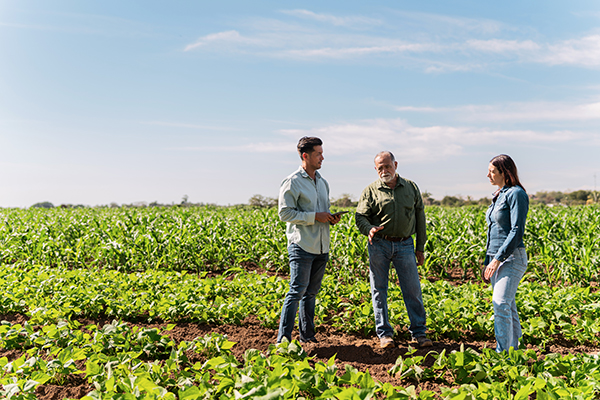
For many farm families, the biggest challenge isn’t financing or legal documents. It’s having honest conversations about who wants to continue farming, who doesn’t, and how to create a plan that feels fair to everyone involved. A trusted third party can help guide those conversations and turn ideas into a plan everyone can understand.
Expert advice
Local experts with the experience to help you reach your goals.
Manitoba‑grown
Locally owned and operated, with decisions made by real people who understand farming and rural communities.
Don’t hesitate to ask
Farm transitions bring important questions. We’re here to help you navigate them with confidence.
Full financial services
From mortgages to investments to succession planning, everything you need is in one place.
Getting started is simple
Start with a conversation about your goals, your family, and your operation.
Review your operation, assets, ownership, and transition priorities.
Work with your advisor, accountant, and lawyer to create a plan tailored to your situation.
Revisit your plan as your family, operation, and goals evolve over time.
Straight answers. Sound advice.
Why is early transition planning important?
The earlier you start planning, the more control you’ll have over the future of your farm, your retirement, and your family’s legacy. Early transition planning helps Manitoba farm families avoid rushed decisions, manage financial and tax implications more effectively, and create a clear path for the next generation.
Planning ahead can help you:
- Protect family relationships by setting clear expectations and reducing uncertainty
- Reduce disruptions to the farm operation during ownership or management changes
- Prepare successors for leadership and decision-making responsibilities
- Support long-term financial health for both the retiring and incoming generations
- Create a more orderly and successful transition process
For Manitoba farm families, transition planning is about more than transferring assets. It’s about ensuring the farm remains productive, profitable, and family-owned for years to come.
A successful transition doesn’t happen overnight. Starting early gives you more options, more flexibility, and more confidence in the future of your farm.
Who is involved in a transition plan?
A successful farm transition starts with having the right people at the table. Bringing key individuals into the planning process early can help protect family relationships, minimize uncertainty, and support the long-term success of your Manitoba farm operation.
A farm transition plan often includes:
- Farm owners, who define their retirement, ownership, and succession goals
- Successors, such as family members or future owners who will take over management or ownership responsibilities
- Legal and accounting professionals, who provide guidance on tax planning, estate planning, and ownership structures
- Lenders or credit union advisors, who help develop financing solutions to support ownership transfers and business continuity
- Family members, whose expectations and interests may be affected by the transition
For Manitoba farm families, involving the right people early can help preserve relationships, reduce surprises, and create a clearer path for the next generation. The most successful farm transitions are built on open communication, careful planning, and a shared vision for the future of the farm.
What is farm transition?
Farm transition helps protect the future of your farm, your family, and the legacy you’ve spent a lifetime building. By planning ahead, you can create a clear path for the next generation, reduce uncertainty, and help ensure your operation continues to thrive long after ownership changes hands.
Farm transition is the process of transferring a farm business to the next generation, another family member, a business partner, or a new owner. It involves planning for:
- Ownership transfer
- Management responsibilities
- Labour and staffing roles
- Tax and estate considerations
- Financial and succession planning
- Long-term business continuity
For Manitoba farm families, farm transition is about more than passing on land and equipment. It’s about preserving family relationships, protecting retirement plans, supporting future generations, and maintaining a successful operation for years to come.
The greatest benefit of early farm transition planning is peace of mind. You gain confidence knowing your family’s interests are protected, your successors are prepared, and your farm is positioned for long-term success in Manitoba’s agricultural community.
How do we choose a successor?
Choosing the right successor is one of the most important decisions you’ll make for the future of your farm. A thoughtful transition plan can help protect family relationships, preserve your legacy, and position the farm for long-term success.
When evaluating potential successors, Manitoba farm families often consider:
- Ability to lead and manage the operation
- Interest in farming and taking on ownership responsibilities
- Experience gained through working on or managing the farm
- Long-term goals and commitment to the future of the business
- Financial readiness to support an ownership transition
Many successful farm transitions begin gradually, with the successor taking on increasing management responsibilities before ownership is transferred. This approach allows knowledge, skills, and relationships to be passed on over time while giving both generations confidence in the transition process.
The best successor isn’t always the oldest child or the first family member to step forward. It’s often the person with the right combination of commitment, capability, and vision for the farm’s future. Starting the conversation early gives your family more time to plan, prepare, and build a transition strategy that works for everyone involved.
What happens if no successor exists?
Not having a successor doesn’t mean you don’t have a plan for the future. With the right transition strategy, you can protect the value of your farm, support your retirement goals, and ensure the operation you’ve built continues to contribute to Manitoba’s agricultural community.
If there isn’t a family member or successor ready to take over the farm, you may choose to:
- Sell the farm business or assets to another producer
- Lease out farmland to generate ongoing retirement income
- Gradually sell land, equipment, or other assets
- Sell the entire operation to a qualified buyer
For Manitoba farm families, planning ahead provides more flexibility, more potential buyers, and more time to structure a transition that aligns with your financial and personal goals.
The greatest benefit of early planning is choice. Whether your goal is maximizing retirement income, preserving your legacy, or keeping farmland productive for future generations, a well-planned transition can help you leave the farm on your terms.
Your personal Account Manager at Stride Credit Union can help you explore financing solutions that support farm sales, buyouts, and ownership transfers, helping make the transition smoother for everyone involved.
Let’s talk about your plans
Whether you’re ready to start planning or simply have questions, we’re here for a confidential conversation with no pressure and no obligation.